
Taking Charge of COPD, One Breath at a Time
Living with Chronic Obstructive Pulmonary Disease (COPD) means facing daily challenges—shortness of breath, fatigue, and sometimes the fear of sudden flare-ups. But with the right tools and strategies, you can regain confidence and independence. One of the simplest yet most powerful devices you can keep at home is a pulse oximeter.
This small device measures how much oxygen is in your blood, providing instant feedback that can help guide your day-to-day decisions. Combined with lifestyle strategies, proper medication use, and emotional support, it becomes an essential part of a COPD self-management toolkit.
In this Breathe Strong America guide, you’ll learn how to use a pulse oximeter effectively, along with practical COPD living tips to help you breathe stronger and live with greater peace of mind.
Why Monitoring Oxygen Matters for COPD
Your body relies on oxygen to fuel every cell and organ. In COPD, airflow is limited, which can reduce oxygen levels in your blood. This condition, known as hypoxemia, can appear suddenly—causing confusion, dizziness, or fatigue before you even realize what’s happening.
A pulse oximeter is your early warning system. With it, you can:
- Detect low oxygen levels early before symptoms worsen.
- Prevent exacerbations by catching problems before they escalate into hospital visits.
- Track your response to activity (walking, climbing stairs, or even eating can affect oxygen).
- Optimize your oxygen therapy, making sure your portable or home concentrator is set properly.
- Reduce anxiety by giving you objective feedback when you feel short of breath.
Knowing your numbers turns uncertainty into action—and that is empowering.
How to Use a Pulse Oximeter the Right Way
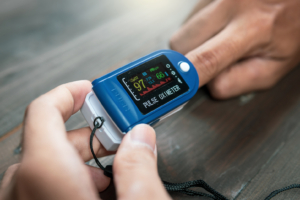
For your pulse oximeter readings to be useful, consistency and accuracy matter. Here are COPD-friendly tips to get the best results:
- Know your target range: While healthy people often stay at 95–100%, many COPD patients are advised to stay between 88–92%. Always follow your doctor’s guidance.
- Check in calm conditions: Sit still, relax your hand, and avoid movement while measuring.
- Warm your hands first: Cold fingers can give inaccurate results.
- Take your reading in regular room lighting: Bright sunlight can affect reading accuracy.
- Avoid nail polish or artificial nails: These can block the sensor.
- Measure regularly: Try checking at the same times each day (morning, after activity, before bed) to spot trends.
- Track your numbers: Write them in a log with notes about what you were doing at the time. Share this information with your care team.
When to Call Your Doctor
A pulse oximeter is a guide, not a replacement for professional care. If you are feeling at all badly, you should call your doctor for advice. Careful monitoring of symptoms can provide early intervention thereby decreasing severity of illness or symptom exacerbation. Often patients end up in the hospital because they have waited too long to see medical attention. Never hesitate to call your doctor if you sense a change in your COPD symptoms.
Contact your healthcare team if you notice:
- Oxygen levels consistently below your target range. Generally this is below 90% but follow your doctor’s advice on when they want you to alert them.
- Sudden drops in oxygen during normal activities
- A change in texture or volume of mucus production
- More frequent or severe coughing
- Increasing shortness of breath or fatigue even when numbers look “normal”
- A bluish tint around lips or fingertips
- Feeling dizzy or disoriented
Having this data ready helps your care team make better decisions about your medications, oxygen therapy, or pulmonary rehabilitation plan.
CLICK HERE to download your free COPD symptom ZONE SHEET
In addition to symptom monitoring the zone sheet includes personal information such as, medications, insurance and emergency contacts. Some don’t feel the need to record this information because they have it well memorized. Keep in mind that if you end up in the hospital with low oxygen levels, you may be not be thinking clearly and emergency personnel will find this information helpful. Fill out the information and keep a copy with you and consider giving a copy to a spouse, neighbor, or loved one as well, just in case.
Beyond the Oximeter: Essential COPD Living Tips
While monitoring oxygen is important, living well with COPD requires a holistic approach. Here are key areas to focus on:

Medication Adherence
- Take inhalers and medications exactly as prescribed.
- Learn proper inhaler technique—many patients unknowingly use them incorrectly. Shake well before using. Stand if possible or sit up straight when administering dosage. Pause for a minute in between doses. Always rinse your mouth after using to prevent taste dysphoria and development of a vary painful condition called thrush.
- Set reminders or use a pill organizer to stay consistent.
- Never change dosage or discontinue medication without speaking to your doctor. If you are having troublesome side effects, speak to your doctor or pharmacist about it. They may be able to give you some guidance about changing when or how you take the medication that may help.
- Don’t be afraid to ask your doctor or pharmacist for clarification so you understand exactly how and when to take your medication. It is especially important to understand when and how many times to use your rescue inhaler. There should be a limited number of times you use it during an exacerbation before seeking medical attention.
Breathing Exercises
Techniques like pursed-lip breathing and diaphragmatic breathing can reduce shortness of breath and make activity easier. Practice these daily so they become second nature during flare-ups. Breathing exercises can ease symptoms as well as help with managing emotions, which can affect breathing.
Nutrition & Mealtime Strategies
- Eat smaller, more frequent meals to avoid feeling breathless from a full stomach.
- Choose energy-dense foods that provide good nutrition without large portions.
- Stay hydrated, but avoid drinking large amounts at once.
- Limit gas-producing foods like beans or carbonated drinks, which can press on the diaphragm.
- Keep a food diary to track how certain foods affect how you feel.
Staying Active
- Never begin any fitness regimen without consulting your physician.
- Light activity strengthens muscles and improves oxygen efficiency.
- Walking, gentle yoga, or pulmonary rehabilitation exercises can make daily life easier.
- Always pace yourself—short, frequent activity is better than long exhausting sessions.
Environmental Awareness
- Avoid smoke, strong odors, dust, and extreme temperatures.
- Monitor local air quality and limit outdoor activity on high pollution days. Websites such as www.AirNow.gov and www.Pollen.com can be helpful. You may also be able to find this information in your local tv websites or newspapers.
- Use your pulse oximeter to track how different environments affect your oxygen.
- Be mindful of indoor pollutants as well, cooking smoke, dust, pet dander, or even steam from the stove or shower can affect your breathing.
Preventive Care
- Stay up to date with flu, pneumonia, and RSV vaccines to reduce infection risk.
- Wash hands frequently and avoid crowded places during flu season.
- Wear an N-95 rated mask when in crowded places, especially during flu season.
- Have an action plan in place for flare-ups so you know when to increase medication or seek emergency care.
Emotional & Social Support

- COPD often brings anxiety or depression. Talking with others who understand can make a big difference.
- Join support groups both in person or online communities.
- Talk therapy can help. See out a mental health professional, pastor, or trusted friend to share your feelings with.
- Practice stress-reduction techniques like meditation, gentle stretching, or journaling.
- Studies have shown that those with strong social ties have better health outcomes and are more likely to eat healthier and adhere more closely to medical care plans.
Creating Your Personal COPD Action Plan
An action plan puts you in control. It should include:
- Daily routine: When to check your oximeter, take medications, and do breathing exercises.
- Warning signs: Symptoms and oxygen readings that mean you should rest, adjust oxygen, or call your doctor.
- Emergency plan: Who to contact, where to go, and what to bring if you need urgent care.
- Caregiver instructions: If someone helps you, make sure they know your target oxygen range and how to respond to low readings.
The Role of Technology in COPD Management
COPD care is becoming more advanced with digital tools:
- Health apps can log pulse oximeter readings and medications.
- Smart inhalers track usage and remind you when it’s time for a dose.
- Telehealth visits allow you to share data with your doctor without leaving home.
- Medication tracking apps can be important. As many as 300,000 people die from adverse drug reactions each year in the US. There are apps that can track what medications you are on and warn you of possible negative interactions so that you can ask your doctor or pharmacist about it.
While technology can’t replace your personal awareness, it adds another layer of protection and convenience.
Building Confidence and Peace of Mind
Living with COPD can feel overwhelming, but tools like a pulse oximeter, paired with good daily habits, shift the balance back in your favor. Instead of reacting to symptoms, you can anticipate and respond early.
Every small step—checking your oxygen, practicing breathing exercises, eating wisely, and staying active—adds up to more control and a better quality of life.
At Breathe Strong America, we believe in equipping people with COPD with knowledge, community, and practical tools that build resilience. You are not alone in this journey—together, we can make living with COPD stronger, safer, and more hopeful.
Conclusion: One Breath at a Time
A pulse oximeter isn’t just a gadget—it’s a lifeline. It helps you recognize when you’re safe, when you need to rest, and when it’s time to get help. But it’s only one part of the bigger picture.
By combining oxygen monitoring with healthy routines, smart nutrition, emotional support, and an action plan, you can take back control over your condition. COPD doesn’t define you—you define how you live with it. Being diagnosed with a condition for which there is no cure doesn’t mean that nothing can be done to slow progression or improve quality of life.
Breathe strong, stay hopeful, and remember: every breath is a step forward.