Living with COPD means every breath matters. During a natural disaster, when stress, power outages, and environmental hazards can all strike at once, preparing ahead of time is not just smart—it’s essential.
At Breathe Strong America, we know how challenging it can feel to manage a chronic condition while also worrying about floods, fires, hurricanes, or extreme heat. That’s why disaster preparedness for people with COPD, especially those using oxygen therapy, needs to go beyond a standard emergency kit. You deserve a plan that protects your health, your safety, and your peace of mind.
In this guide, we’ll cover everything you need to know to stay safe in an emergency, from creating a personalized go-bag to understanding how air quality impacts your breathing.
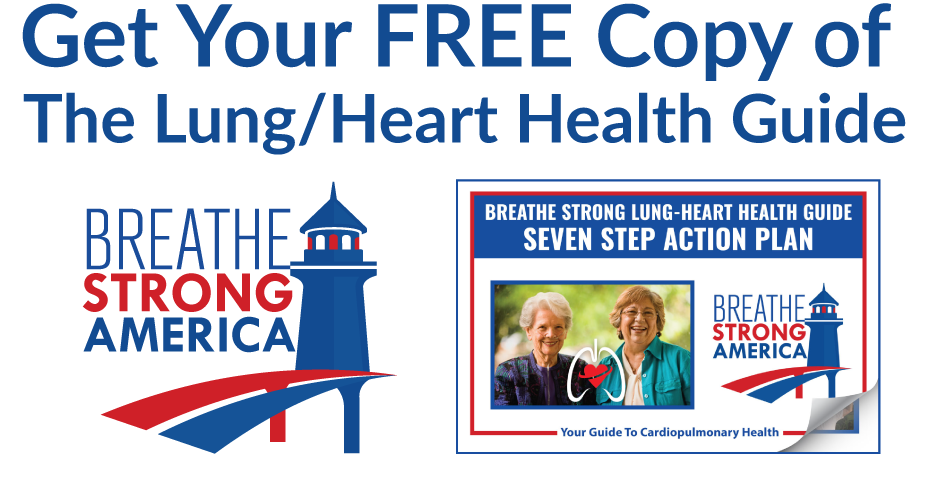
Preparation is essential for everyone but particularly for respiratory patients and those on oxygen. We have created a guide to assist you in making an actionable plan. It will help you partner with your electric company for safety and possible savings, open a dialog with loved ones to make sure everyone is on the same page, and provide a checklist for oxygen patients to ensure you have everything you need if you need to leave your home for any period of time.
CLICK HERE to download your FREE Disaster Preparedness Guide
Why Disaster Preparedness Matters for COPD Patients
COPD affects lung function, which means even small changes in your environment—like smoke in the air, extreme humidity, or a temporary loss of electricity—can quickly lead to breathing difficulties. Add in the stress of evacuation, disrupted medical care, and potential oxygen shortages, and it becomes clear why preparing early is so important.
Disasters can:
-
Limit access to electricity, preventing concentrators or nebulizers from working
-
Cut off pharmacy or delivery services, delaying medications
-
Worsen air quality, with wildfire smoke, mold, or dust making it harder to breathe
-
Force sudden evacuation, where traveling with oxygen becomes challenging
Having a detailed plan helps reduce fear and ensures you have what you need to stay stable, even in unpredictable situations.
Step 1: Partner with Your Electric Provider

If you rely on powered oxygen devices or other life preserving devices, electricity is your lifeline. Many utility companies offer programs designed specifically for people with medical equipment at home.
Call your provider and ask:
-
Medical Priority Programs: Can you be placed on a “priority restoration” list after outages?
-
Outage Alerts: Will they send you text or call alerts when outages are planned?
-
Medical Baseline Discounts: In some areas, energy costs for medical users are discounted.
-
Generator Rebates: Some providers help cover backup generator costs.
By enrolling in these programs, you’ll reduce the risk of being caught off guard when the lights go out.
Call your power company today to find out what special programs may be available for you.
Step 2: Build a COPD-Specific Emergency Kit
Think of your emergency kit as your lifeline on the go. It should cover medical needs, daily comforts, and emergency essentials for at least 14 days.
Here’s what to include:
Medical Supplies
-
Portable oxygen concentrator (POC)
-
Extra charged batteries (enough for at least 12–24 hours)
-
AC and DC power adapters
-
Backup cannulas, tubing, and masks
-
Nebulizer (if prescribed) with a power source
-
Rescue inhalers and all prescription medications
-
Pulse oximeter with spare batteries
-
List of allergies, copy of prescriptions, and emergency contacts
- Get extra refills of prescriptions if possible
Everyday Essentials
-
Bottled water (to stay hydrated and thin mucus)
-
Non-perishable snacks high in calories and easy to eat
-
Lightweight blanket or jacket for temperature regulation
-
Hand sanitizer, masks, and tissues
-
Flashlight and extra batteries
-
A small battery-powered fan (heat can worsen breathlessness)
Important Documents
-
Medical records and doctor’s contact information
-
Insurance cards and policy numbers
-
Copies of prescriptions
-
Family and caregiver contact list
-
A written copy of your disaster plan
Keep all of this in a waterproof, easy-to-carry backpack or rolling bag near your main exit.
Step 3: Create a Communication & Support Plan
Disasters are overwhelming, especially when you’re already managing a chronic illness. Having a support network is crucial.
-
Tell Loved Ones Your Plan: Share where you’ll go, how you’ll travel, and how to help you if you can’t speak.
-
Medical Alert System: Consider a wearable device that can call for help if you’re in distress.
-
Buddy System: Ask a trusted neighbor or family member to check on you before and after a storm or evacuation.
-
Digital Copies: Store your plan, medical info, and contacts on your phone or in a secure cloud account.
Step 4: Stay Informed and Ready to Act
Early warnings save lives.
-
Sign up for weather and emergency alerts on your phone.
-
Identify special-needs shelters in your area that allow oxygen equipment and provide charging stations.
-
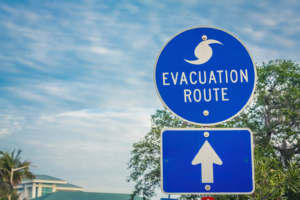
Know your evacuation routes and practice them with your oxygen equipment to make sure you’re comfortable carrying everything.
-
If possible, evacuate early rather than waiting until the last minute when conditions are more dangerous.
- Sign up for emergency power outage alerts with your power company.
Step 5: Protect Your Home & Oxygen Equipment
Your oxygen setup is sensitive, and protecting it during a disaster is key.
-
Store oxygen cylinders and concentrators in a cool, dry place away from heat sources.
-
Keep pathways clear for quick evacuation with your POC.
-
Install smoke detectors and carbon monoxide alarms with battery backup.
-
If you live in a wildfire or hurricane-prone area, keep plastic sheeting and duct tape on hand to create a clean-air space in your home.
Step 6: Prepare for Specific Hazards
Each type of disaster brings its own challenges. If possible, early evacuation is always your best bet. If you suspect that your area might be without power or that air may be dangerous because of wildfire smoke or particulates, it’s best for you to leave the area until it is safe to return.
Floods
-
Keep oxygen devices on elevated surfaces.
-
Place your go-bag in a waterproof tote.
-
Evacuate early; don’t wait for floodwaters to rise.
-
Be cautious of mold exposure after floods, as it can worsen COPD.
Hurricanes & Severe Storms
-
Secure backup power: a generator or portable power station.
-
Charge everything fully before the storm.
-
Avoid going outdoors during or right after the storm if debris and dust are in the air.
Wildfires
-
Close doors and windows; seal cracks with towels or tape.
-
Run HEPA filter air purifiers indoors.
-
Wear an N95 mask if you must go outside.
-
Keep your POC and batteries ready in case of sudden evacuation.
Power Outage
-
Make sure all batteries are fully charged.
-
Keep your D/C power supply handy in case you need to evacuate. Traffic can be at a standstill on evacuation routes so you may need to power your concentrator with the D/C cord if you’re in the car for a long period of time.
-
Scout out locations where you may be able to seek refuge, such as fire stations or hospitals, that are likely to have a power generator in case of prolonged outages.
Step 7: Monitor the Air Quality Index (AQI)
Air quality has a direct impact on how you breathe. Make sure the air is back in the acceptable area before returning to the area.
| AQI Range | Meaning | What to Do if You Have COPD |
|---|---|---|
| 0–50 (Green) | Good | Safe to go outside |
| 51–100 (Yellow) | Moderate | Usually safe; monitor symptoms |
| 101–150 (Orange) | Unhealthy for sensitive groups | Limit time outdoors; use POC |
| 151–200 (Red) | Unhealthy | Stay indoors with filtered air |
| 201–300 (Purple) | Very unhealthy | Avoid all outdoor exposure |
| 301+ (Maroon) | Hazardous | Evacuate if possible |
Use apps like AirNow or your weather app to check AQI before leaving the house.
Step 8: Portable Oxygen Concentrators—Your Emergency Ally
Unlike oxygen tanks that can run out, POCs generate oxygen from the air, making them invaluable during disasters.
Benefits:
-
Portable: Lightweight and easy to carry during evacuations.
-
Rechargeable: Run on batteries, car outlets, or generators.
-
Reliable: Provide continuous oxygen supply without needing refills.
Preparation Tips:
-
Keep batteries fully charged at all times.
-
Rotate batteries to keep them in good condition.
-
Practice using your POC with your go-bag to make sure you can handle it quickly under stress.
-
Always carry backup tubing, filters, and cannulas.
Step 9: After the Crisis—Recovery for COPD Patients
Once the immediate danger has passed, recovery is just as important as survival.
-
Check Your Health: Use your pulse oximeter regularly and monitor for any worsening symptoms.
-
Replace Supplies: Restock medications, oxygen supplies, and food/water.
-
Check for Mold and Irritants: Don’t return home until it’s cleared of dangerous contaminants.
-
Address Mental Health: Stress and anxiety can worsen breathing. Reach out to support groups or mental health providers.
-
Document Needs: If you lost medications, equipment, or experienced issues, share with your provider so adjustments can be made to your plan.
Step 10: Helpful Tools & Resources
Apps to Download:
-
FEMA App – real-time alerts and resources
-
American Red Cross – first aid, shelter info
-
Zello – walkie-talkie style communication during outages
-
PulsePoint – emergency alerts and CPR info
-
Life360 – family check-ins and location sharing
-
NOAA Weather Radar – storm tracking
Websites to Bookmark:
-
Ready.gov — U.S. disaster prep
-
AirNow.gov — live AQI updates
-
CDC Emergency Preparedness — health safety tips
-
Red Cross — shelter and disaster recovery
Support Organizations:
-
FEMA — government disaster relief
-
Salvation Army — food, shelter, financial aid
-
Local Emergency Management Offices — specific to your area
Final Thoughts
Disasters are unpredictable, but solid planning can give you peace of mind. By preparing your oxygen equipment, stocking a comprehensive go-bag, and staying connected to resources, you can face emergencies with greater confidence.
At Breathe Strong America, our mission is simple: help you breathe easier, no matter the circumstances. Take the time today to create your disaster preparedness plan—it could save your life tomorrow.