For people living with Chronic Obstructive Pulmonary Disease (COPD), everyday activities often require extra energy—and eating is no exception. Something as simple as finishing a meal can leave you short of breath, fatigued, or uncomfortable. But the right strategies can help.
This Breath Strong America guide shares practical COPD eating tips designed to make mealtimes easier, improve breathing, and ensure you’re getting the nutrition your body needs. With small adjustments to how and what you eat, food can become a source of strength, not stress.
Why Eating Can Be Difficult with COPD
Many people with COPD notice that mealtimes feel tiring or uncomfortable. Why? A few reasons:
- Pressure on the diaphragm – When you eat large meals, your stomach expands and pushes up against the diaphragm. This reduces lung capacity, making it harder to breathe.
- Energy demands of digestion – Digestion uses oxygen and energy, which can increase fatigue.
- Medication side effects – Some COPD medications may dull taste buds, cause dry mouth, or reduce appetite.
- Bloating or gas – Certain foods produce gas, which makes you feel even more breathless.
- Fatigue – Preparing meals and eating when you’re already tired can make mealtimes overwhelming.
The good news is that adjusting your approach to eating can reduce these challenges. Let’s look at the top strategies.
1. Eat Smaller, More Frequent Meals
One of the most important COPD eating tips is to change your meal pattern. Instead of three heavy meals, aim for five to six smaller meals spread throughout the day.
Why it helps:
- Prevents your stomach from over-expanding and pressing on your lungs which can lead to difficult breathing.
- Reduces bloating and discomfort
- Helps maintain steady energy levels and prevents blood sugar spikes and dips
- Makes eating feel less overwhelming
Example:
- Breakfast: A smoothie with Greek yogurt, banana, and peanut butter
- Mid-morning snack: Whole-grain toast with avocado
- Lunch: A cup of vegetable soup and a small chicken wrap
- Afternoon snack: Cottage cheese with berries
- Dinner: Grilled fish with steamed veggies and rice
- Evening snack: Almonds and a slice of cheese
👉 Tip: Use smaller plates to naturally keep portions in check.
2. Practice Breathing Exercises Before Meals
Many people with COPD feel breathless even before they begin eating. Practicing breathing exercises before meals can help open the lungs and prepare your body.
Try this routine:
- Sit upright in a comfortable chair.
- Use pursed-lip breathing: breathe in through your nose for two counts, then slowly exhale through pursed lips for four counts. Repeat 5–10 times.
- Take a few deep belly breaths, expanding your diaphragm.
- Use a gentle “huff” cough if you feel mucus buildup.
This clears your airways, reduces shortness of breath, and makes eating easier.
3. Sit Upright When Eating

Posture plays a big role in breathing comfort during meals.
Why it matters:
- Slouching compresses your stomach and lungs.
- Sitting upright keeps your diaphragm free to expand.
- Reclining right after eating can worsen acid reflux and breathlessness.
COPD eating tip:
- Use a sturdy chair with back support.
- Keep both feet flat on the ground.
- Place a cushion behind your back if needed.
- Stay upright for 30–60 minutes after eating to aid digestion.
👉 Some patients find that light core-strengthening exercises (like gentle seated twists or breathing-focused yoga) help improve posture over time.
4. Keep a COPD Food Diary
Not all foods affect everyone the same way. A food diary helps you track which meals or ingredients make you feel bloated, gassy, or breathless.
What to record:
- What you ate and drank
- Portion size
- How you felt during and after eating (energy, breathlessness, bloating, etc.)
Be as specific as possible.
Example entry:
- Lunch: Pasta with tomato sauce, garlic bread
- Symptoms: Felt bloated, had to stop eating halfway
- Note: Garlic bread may have caused gas
Over time, you’ll spot patterns. For example, some people with COPD find that carbonated drinks, beans, cruciferous vegetables (like broccoli or cabbage), and fried foods worsen bloating. Sometimes food that is well tolerated early in the day may cause issues at dinner time. As you continue to record your meals, patterns will emerge.
CLICK HERE to download your FREE Food Diary!
5. Stay Hydrated Between Meals
Water is essential for people with COPD because it helps keep mucus thin and easier to clear from your lungs. But drinking too much during meals can make you feel uncomfortably full.
Tips for hydration:
- Aim for 6–8 cups of water per day.
- Drink most of your fluids between meals, not during to avoid filling up too quickly.
- Choose water, herbal tea, or diluted juice instead of soda or sugary drinks.
👉 If you struggle with dry mouth (a side effect of some medications), sucking on sugar-free lozenges or chewing gum can also help.
6. Choose High-Calorie, Nutrient-Dense Foods
Because COPD makes your body work harder to breathe, you may need extra calories to maintain your weight and strength. People with normal lung function use about 50 calories per day in the act of breathing. Those with a lung condition may use up to 700 calories per day just to breathe. You can enjoy a treat occasionaly, but it’s important to prioritize nutrient dense foods before ingesting empty calories.
Smart choices:
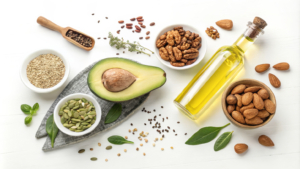
- Avocados, nuts, and seeds (healthy fats and protein)
- Eggs (easy to prepare and high in protein)
- Greek yogurt or cottage cheese
- Smoothies with added nut butter or protein powder
- Olive oil or flaxseed oil drizzled on cooked vegetables
Avoid filling up on processed snacks, soda, or sweets that add calories without nutrition.
7. Add Fiber for Digestive Health
Constipation and bloating can worsen COPD symptoms. Adding 20–30 grams of fiber daily keeps digestion moving smoothly.
Good sources of fiber:
- Oatmeal or whole-grain bread
- Fruits like pears, apples, and berries
- Vegetables like carrots, zucchini, and green beans
- Beans, lentils, and chickpeas
👉 Be sure to increase water intake as you add fiber to avoid constipation.
Different types of Fiber:
- Foods high in soluble fiber: Oats, apples, beans, and carrots.
- Foods high in insoluble fiber: Skins and seeds of fruits and vegetables, whole grains, nuts, and leafy greens
8. Eat Slowly and Mindfully
Rushed meals can cause you to swallow air, leading to bloating and discomfort.
Tips for mindful eating:
- Take small bites and chew thoroughly
- Put your fork down between bites
- Focus on eating without distractions (turn off the TV or phone)
- Use meals as a time to relax and visit with friends and family, not rush
Some COPD patients find that setting a calming environment—like soft music or pleasant lighting—helps reduce stress and shallow breathing during meals.
9. Flavor Food Without Excess Salt
Too much salt can cause your body to retain fluids, which makes breathing harder. Instead, enhance meals with natural flavor.
Flavorful, COPD-friendly options:
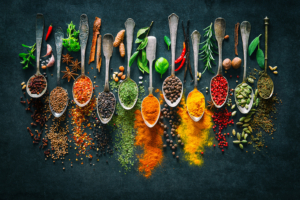
- Herbs: basil, thyme, oregano, parsley
- Spices: turmeric, paprika, cumin
- Citrus zest or juice: lemon, lime, orange
- Vinegars: balsamic or apple cider
👉 If medication makes food taste bland, experimenting with different seasonings can make meals more enjoyable.
10. Plan and Prep Meals in Advance
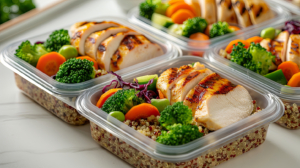
COPD fatigue can make cooking difficult. Meal prep helps ensure you have healthy food ready without overexerting yourself.
COPD meal prep tips:
- Batch-cook meals and freeze portions
- Use slow cookers or Instant Pots to reduce effort
- Keep lightweight cookware and utensils handy
- Store commonly used items at waist height to avoid bending
👉 Some patients find it helpful to prep smoothie packs or freezer meals for quick reheating on low-energy days.
11. Use Oxygen While Eating (If Prescribed)
Some people feel embarrassed about using oxygen at the table, but it’s important. Digestion increases the body’s oxygen needs. Using your oxygen concentrator as prescribed can help prevent fatigue and shortness of breath during meals.
12. Choose Softer Foods on Low-Energy Days
On days when chewing feels like too much work, softer foods can help.
Easy-to-eat ideas:
- Scrambled eggs or omelets
- Mashed potatoes or sweet potatoes
- Smoothies with blended fruits and protein
- Soft, cooked vegetables
- Yogurt, pudding, or applesauce
These foods provide nutrition without requiring as much chewing or energy.
13. Try Adaptive Kitchen Tools
If you struggle with arthritis, tremors, or fatigue, specialized kitchen tools can make cooking easier.
Helpful items:
- Lightweight pots and pans
- Electric can openers
- Non-slip mats
- Pre-chopped produce or frozen vegetables
- Meal delivery kits
These adaptations save energy and help you maintain independence.
14. Make Meals Relaxing and Enjoyable
COPD can cause anxiety, especially if you feel breathless while eating. Reducing stress can make meals more pleasant.
Ideas:
- Play soft music during meals
- Share food with friends or family
- Practice gratitude before eating
- Use mealtime as a mindful, calming break in your day
15. Nutrition Boosters for COPD
Certain herbs and spices may provide added health benefits and help you avoid salt which can lead to inflammation:
- Thyme – helps loosen mucus
- Turmeric – supports anti-inflammatory health
- Hot peppers (capsaicin) – may improve circulation
- Oregano – natural antihistamine
- Ginseng – may boost stamina
Always check with your healthcare provider before adding supplements or concentrated herbs.
Frequently Asked Questions About COPD and Eating
Q: What foods should I avoid with COPD?
A: Limit carbonated drinks, fried foods, processed snacks, and high-salt items, as they may worsen bloating or breathing difficulties.
Q: Should I take vitamins or supplements?
A: Talk to your doctor before starting supplements. Some COPD patients benefit from vitamin D, omega-3s, or antioxidants, but it depends on your diet and health. Always speak to your doctor to ensure that any vitamins or supplements won’t negatively interact with any of your medications.
Q: Is weight gain or weight loss more common with COPD?
A: Both can happen. Some people lose weight because eating is exhausting, while others gain weight due to inactivity. The goal is to maintain a healthy weight with balanced nutrition.
Final Thoughts: Make Food Work for You
Mealtimes should give you energy, not take it away. By following these COPD eating tips—smaller meals, mindful eating, nutrient-rich foods, and oxygen support—you can reduce discomfort, improve breathing, and keep your strength up.
Remember: managing COPD is not just about medications and oxygen therapy. Nutrition plays a powerful role in how you feel each day. With planning, patience, and support, you can make eating enjoyable again.